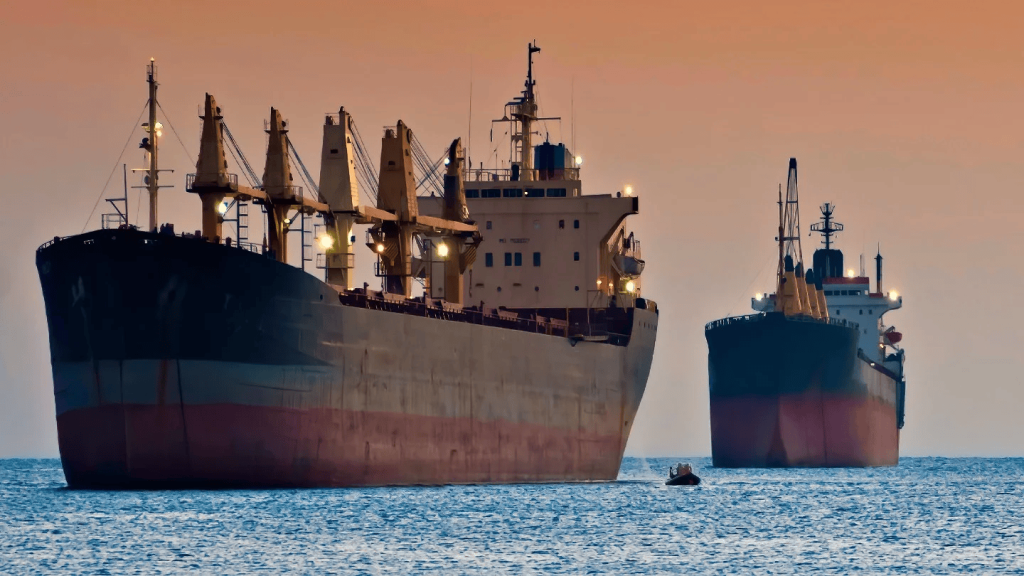
Significant interruptions to international maritime commerce flows are anticipated by the end of 2023 and the first quarter of 2024 as ships passing through the Red Sea, the Suez Canal, and the Gulf of Aden are still under attack from Houthis based in Yemen. This second wave of disruption comes after the COVID-19 epidemic and its aftermath in 2020–2022, the war in Ukraine since 2022, and the unprecedented global logistical constraint. It further worsens the problems brought on by the decreased ship traffic in the Panama Canals as a result of the drought’s effect on water levels.
How Is This Affecting Global Trade?
The country’s industrial sector, export competitiveness, and worldwide positioning are all significantly impacted by logistics costs. For most shipping companies, the speedier and shorter Red Sea route was the option of choice. Depending on their destinations, ships carrying cargo from important Indian ports like Mumbai and JNPT sailed through the Suez Canal into the Mediterranean Sea and arrived at different ports in Europe.
India’s exporters now need to diversify their trading routes as a result of the delays to this route, which was highly relied upon for commerce and energy imports. Exporters now have to travel longer and pay higher insurance premiums as a result of the deteriorating security situation in the Red Sea.
The cost increases of major shipping corporations, such as Equinor and Maersk, are severely affecting Indian companies. Perishable items such as fruits, vegetables, flowers and eggs are being sent to the US, the UK and other countries due to disruptions in freight services caused by the floods and over a 50% increase in air freight prices.
The huge increase in freight costs at the moment has exporters crossing their fingers. The rise in freight costs is bound to have an effect on India’s exports.
Impact On MSMEs:
Indian exports saw a significant rise in both value and volume in 2023–2024. MSMEs were a significant contributor to the almost $450 billion in exports that were made during the fiscal year.
According to estimates from Indian research and information systems, a major decline in Indian exports in the upcoming year could be caused by increased container shipping charges and delayed shipments as a result of route changes. Due to the lengthy paths that vessels must travel for imports and exports, the world’s supply networks have suffered. Increased freight prices are the first signs of the impacts, and India’s small and medium-sized businesses would be the main victims.
What Can The Government Do?
Because of the global credit crisis, the world might not be able to withstand this blow. To maintain the development engine and build the economy to $5 trillion, government agencies must support the MSME sector. It is necessary to find new markets in Asia and the far east, particularly for perishable goods.
Control over the price of export containers could also be considered, possibly accompanied by an instant incentive system that could assist change the situation. Given the possibility that seasonal perishable commodities may be the first to disappear, the government’s esteemed economic experts ought to come up with a quick fix.
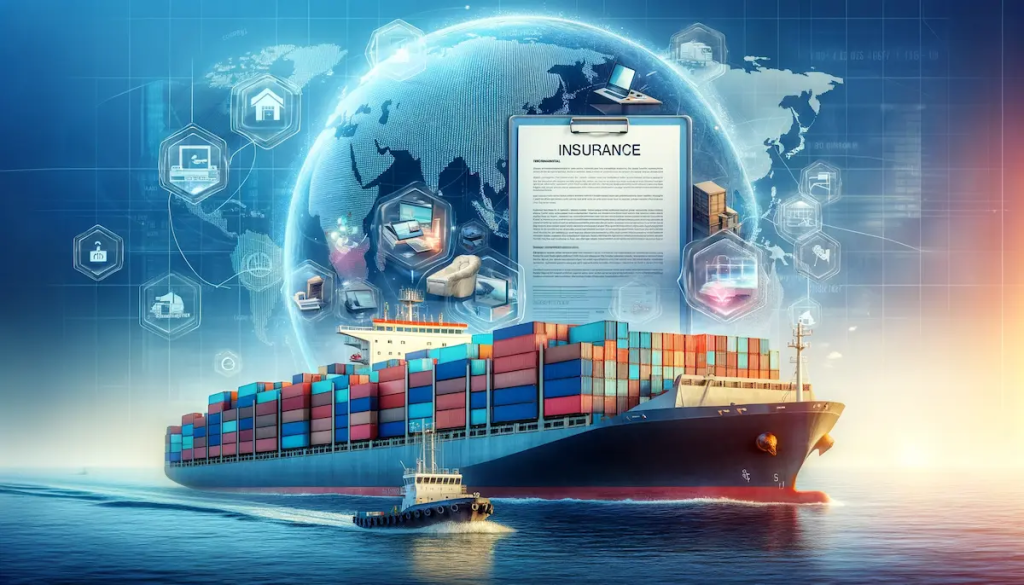
Governments can offer loan schemes with relaxed terms or subsidies on interest rates to help MSMEs manage cash flow disruptions. Existing programs like India’s Export Credit Guarantee Corporation (ECGC) can be leveraged to provide insurance against export risks due to the crisis.
The Government could Collaborate with international partners to establish temporary shipping lanes bypassing the Red Sea, even if less efficient.